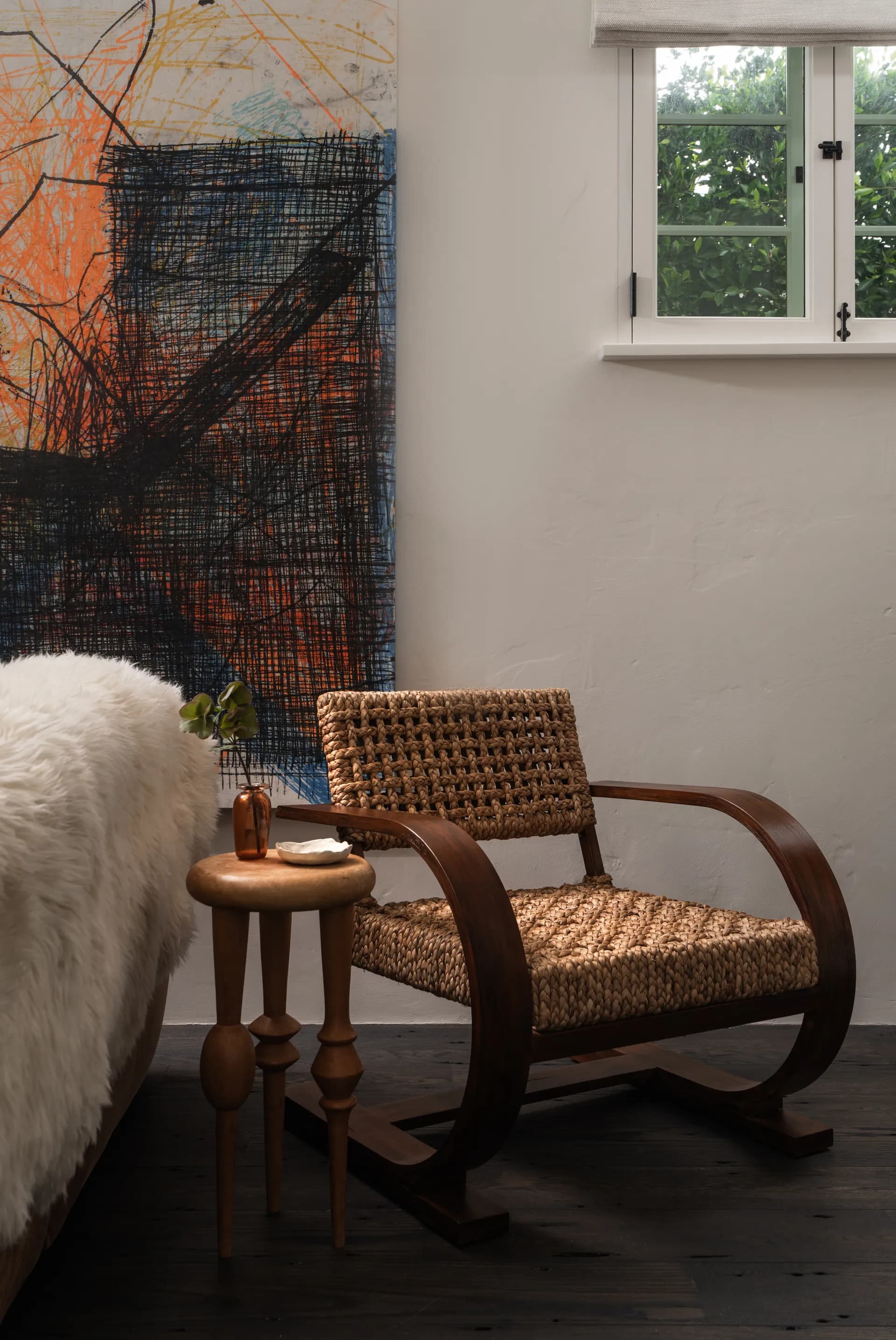
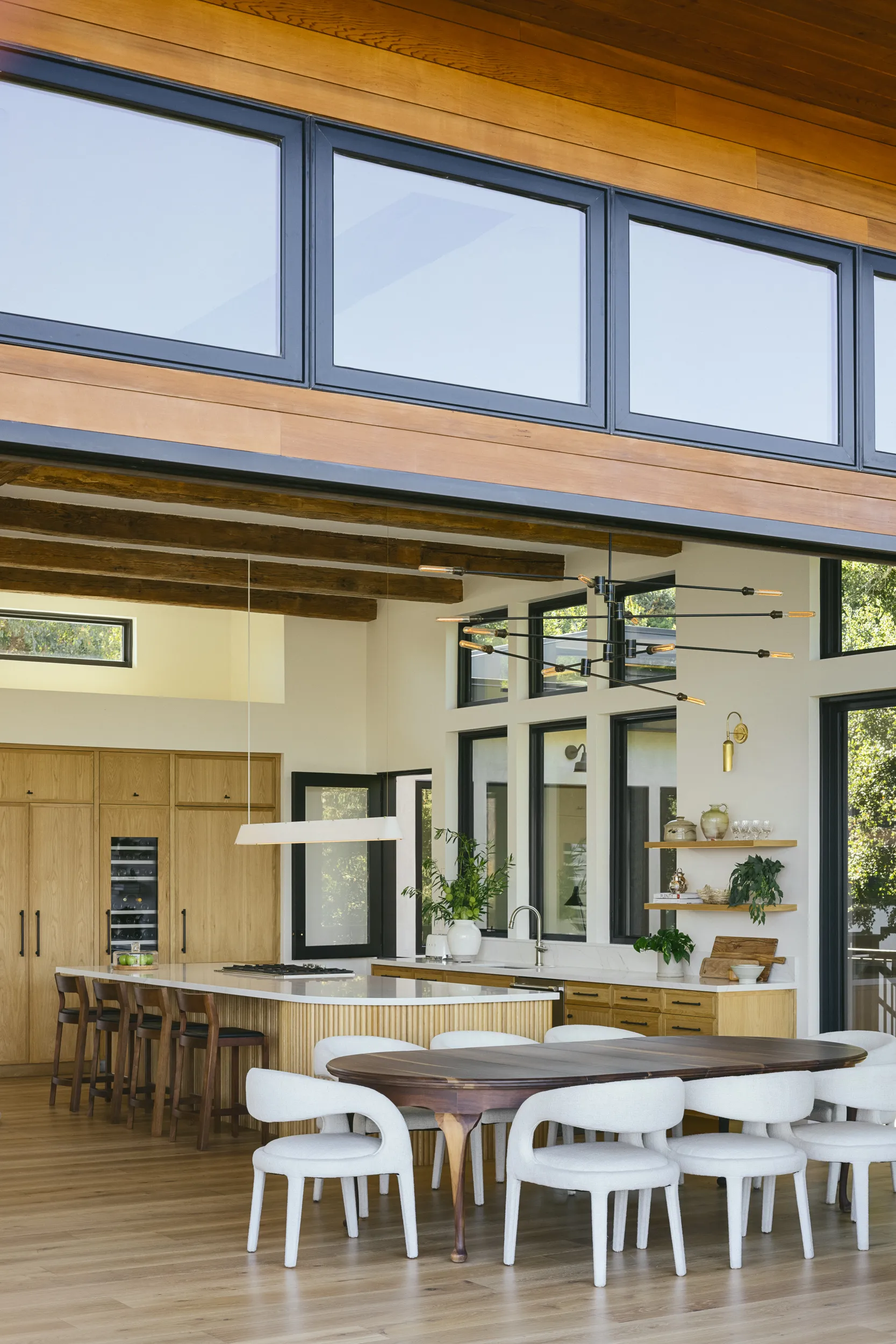
New Construction
Full-service interior design studio
FULL-SERVICE INTERIOR DESIGN
House Rupert offers full-service interior design for clients who want their home to feel considered, beautiful, and entirely their own.
Design Services
New Construction
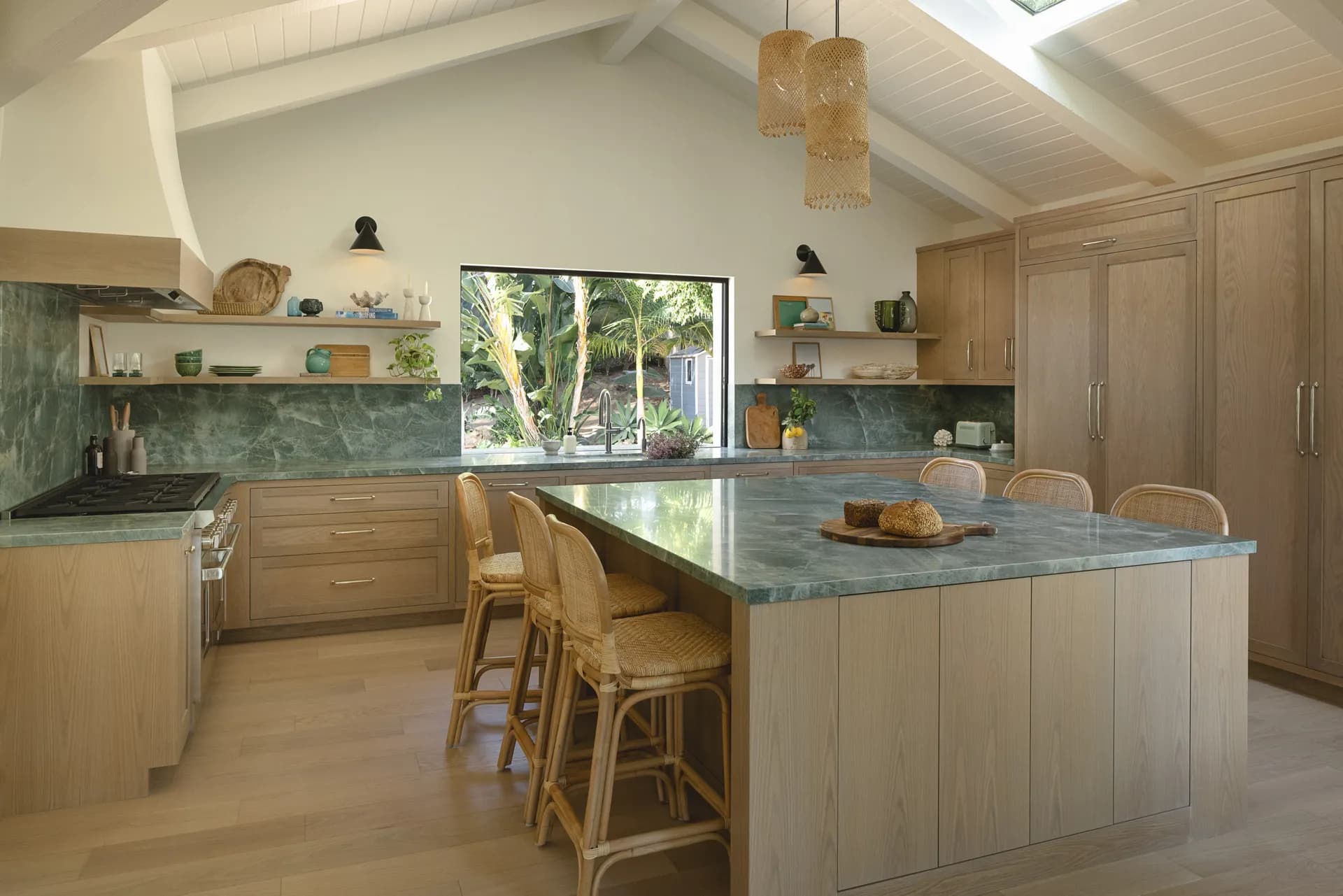
Home Renovations
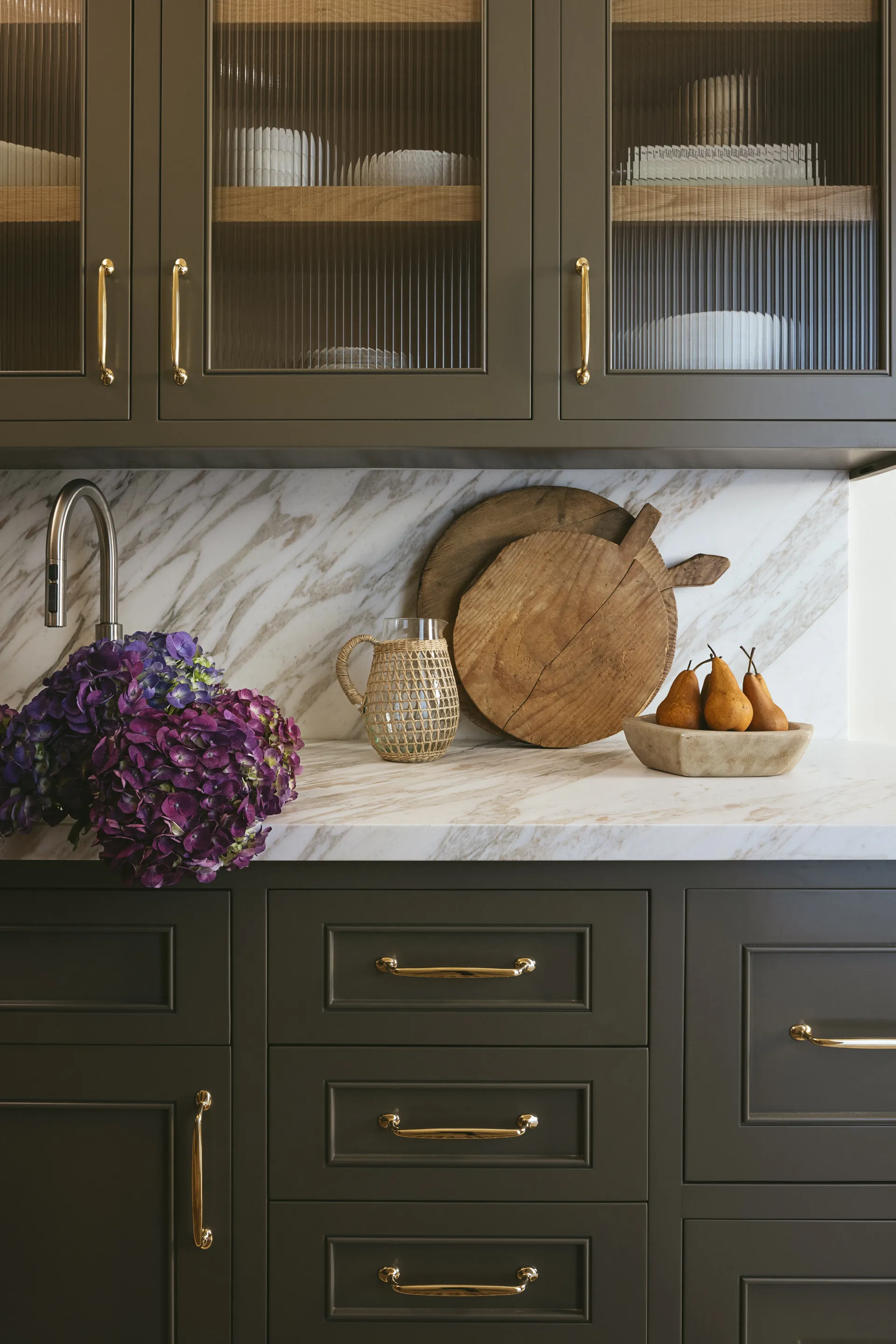
Bespoke Kitchens
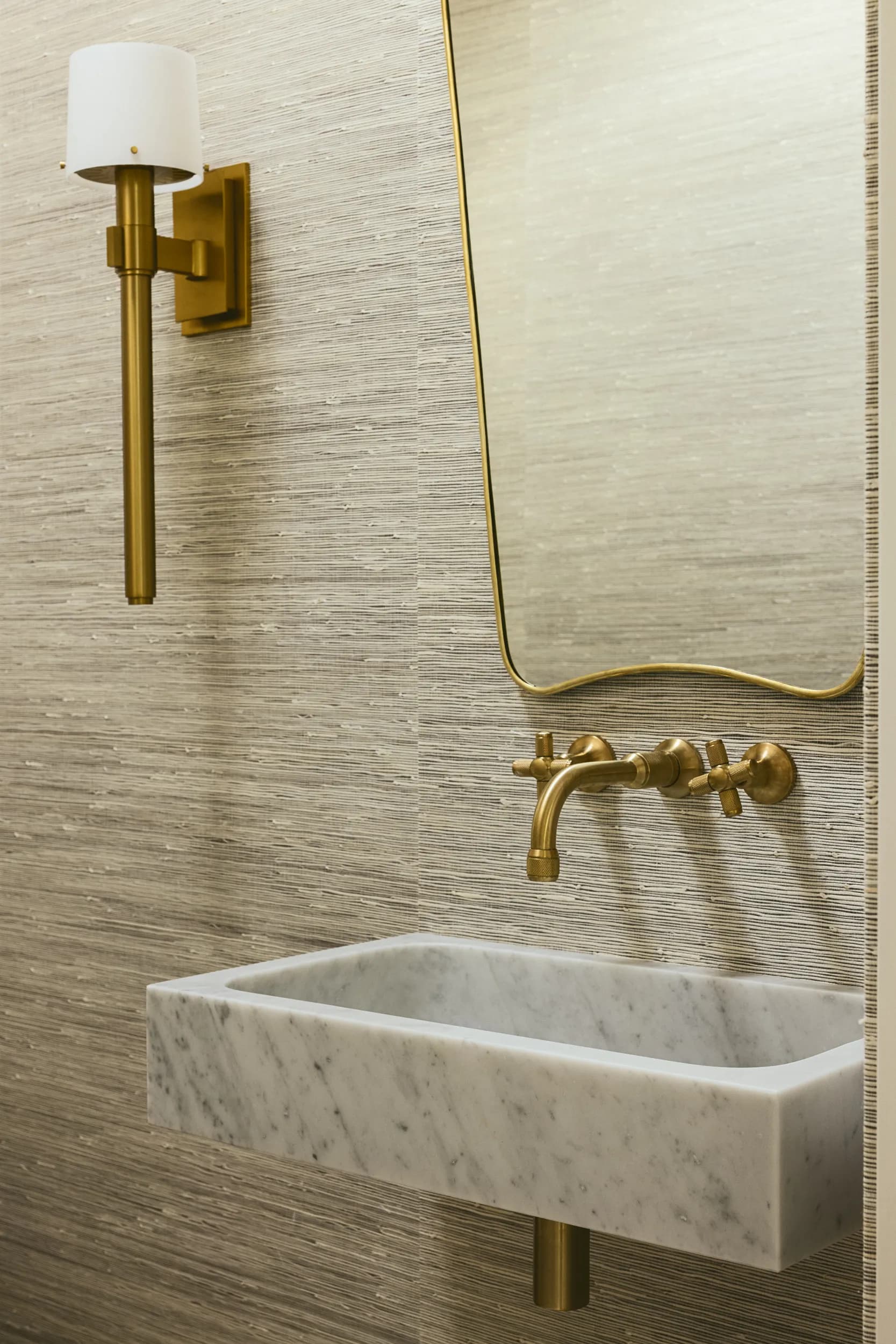
Luxury Bathrooms
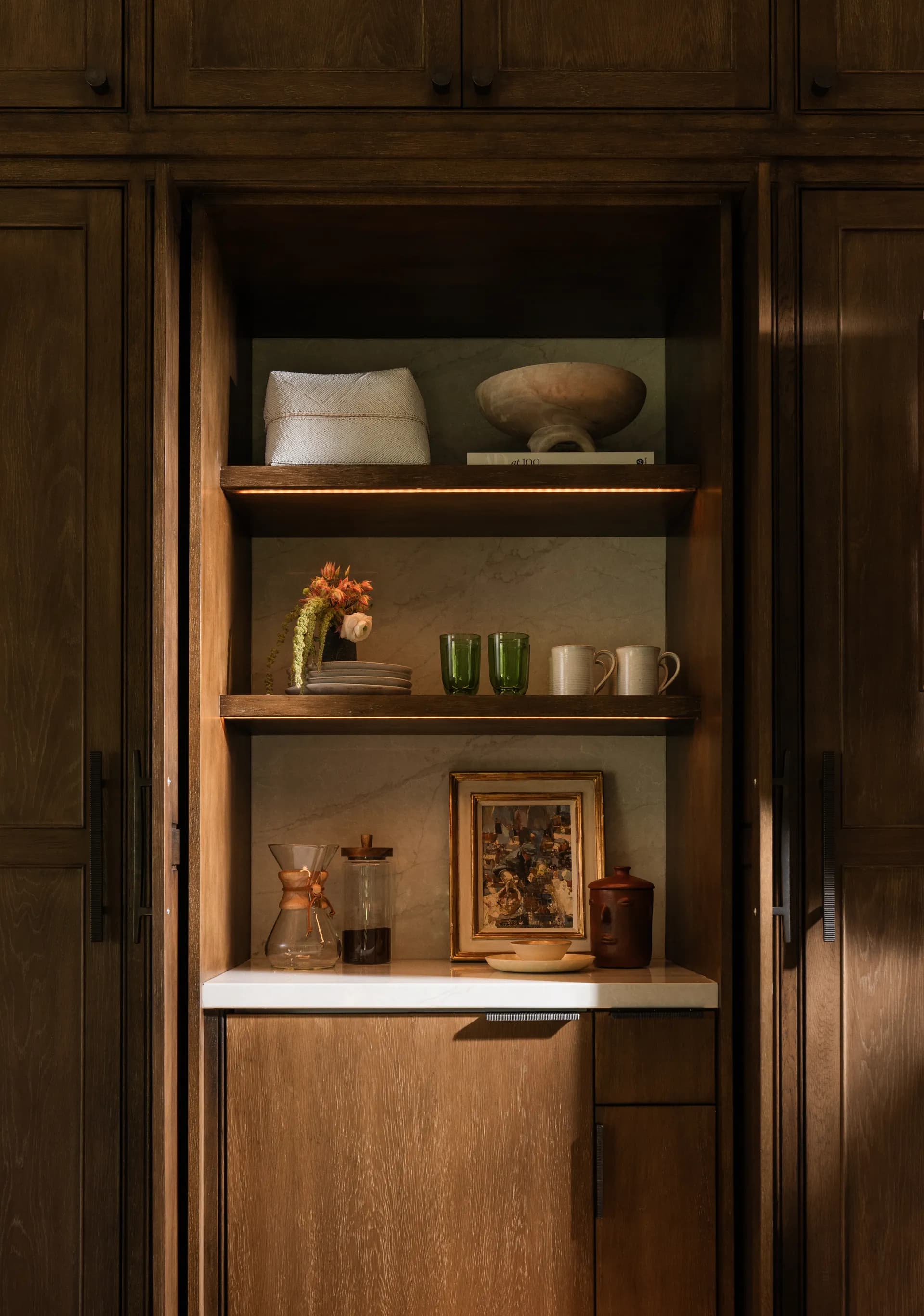
Custom Cabinetry
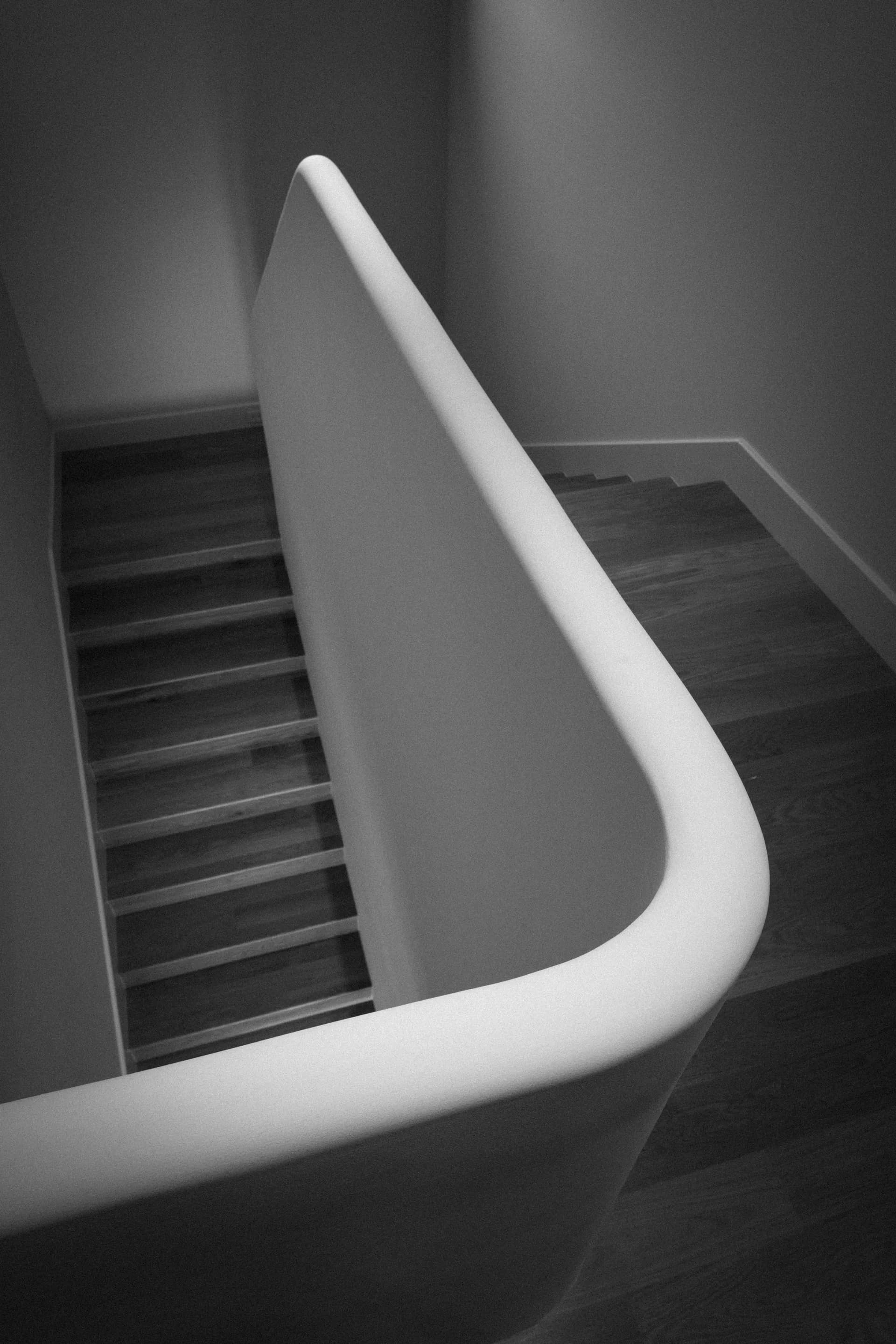
Architectural Detailing
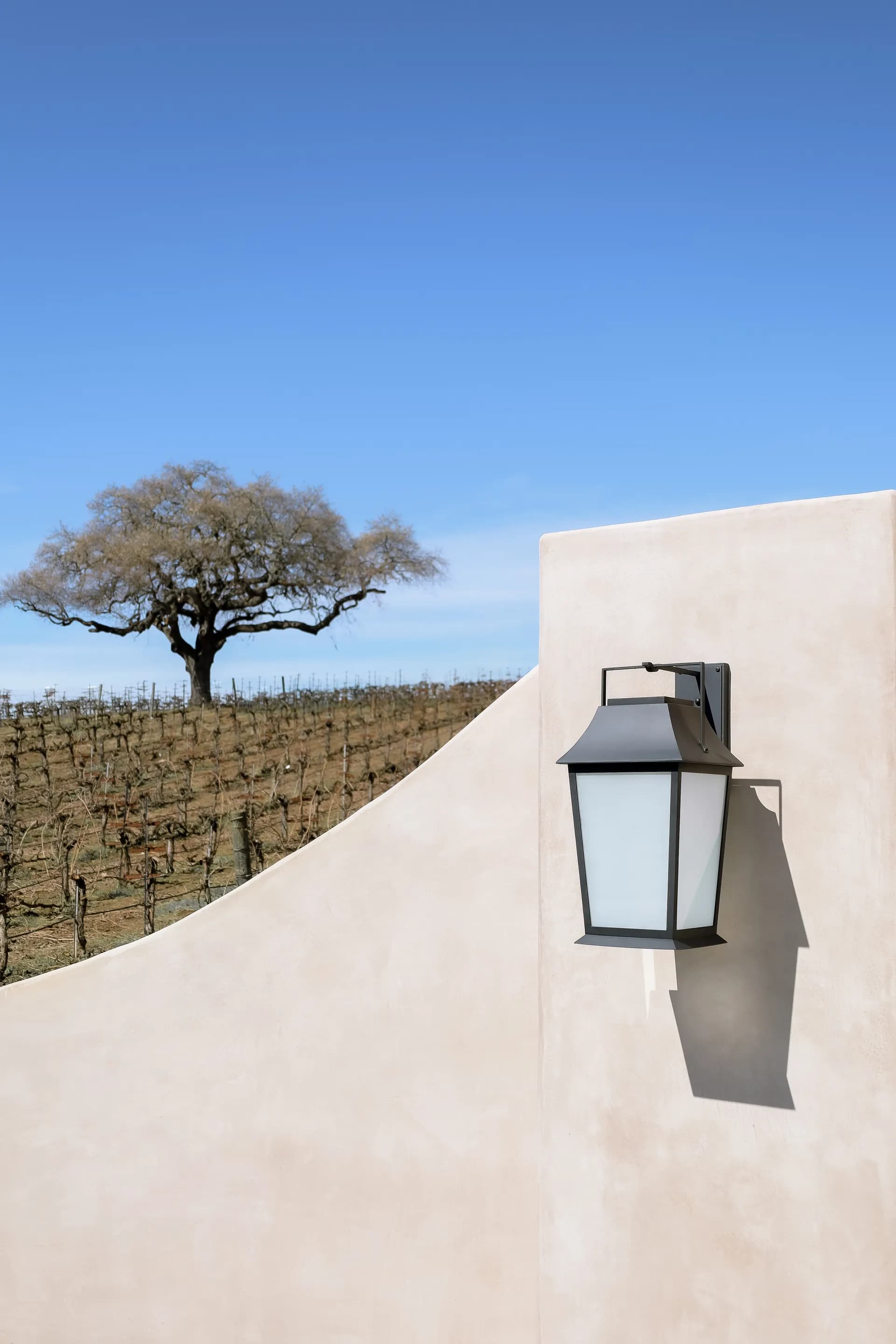
Lighting Design
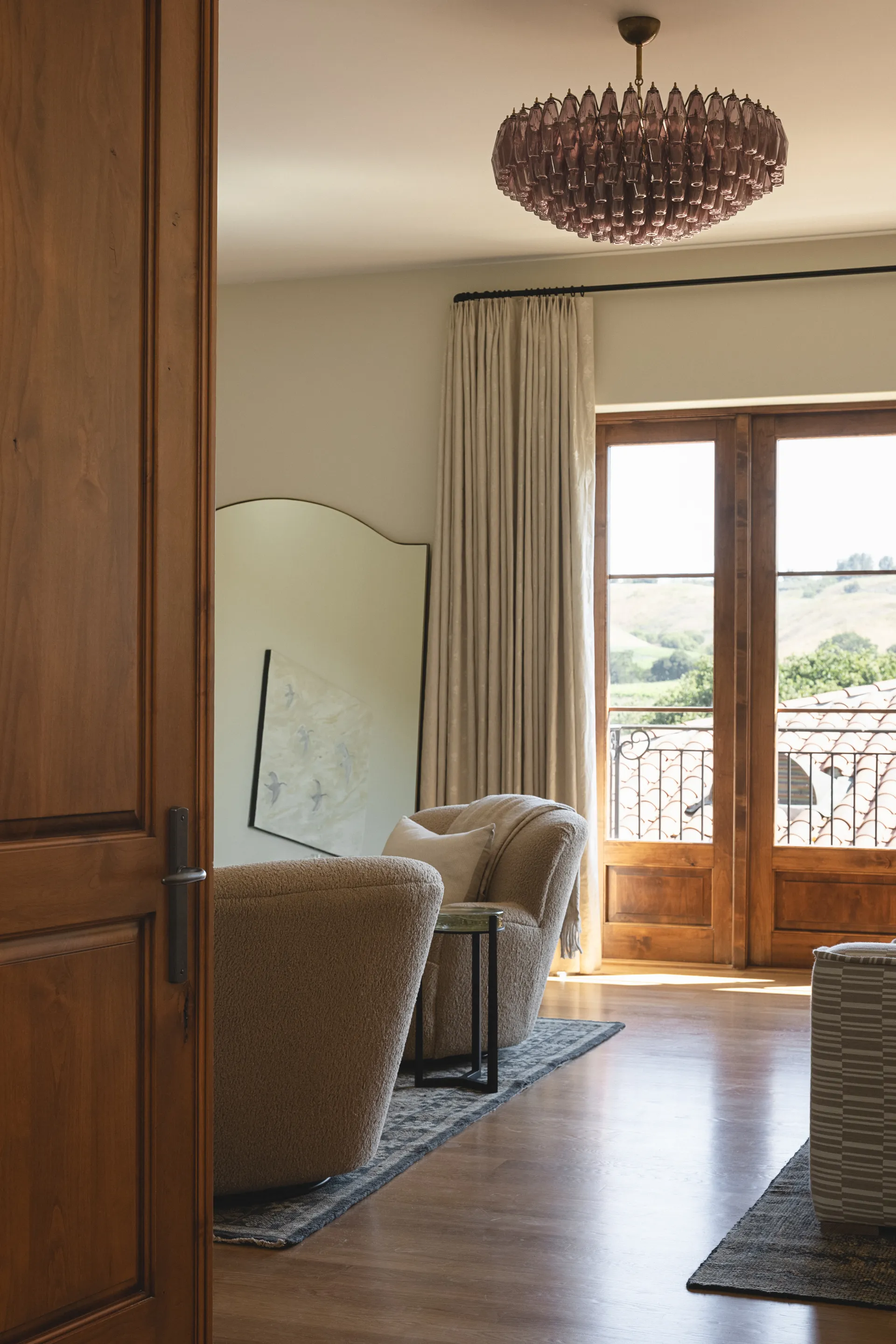
Window Detailing
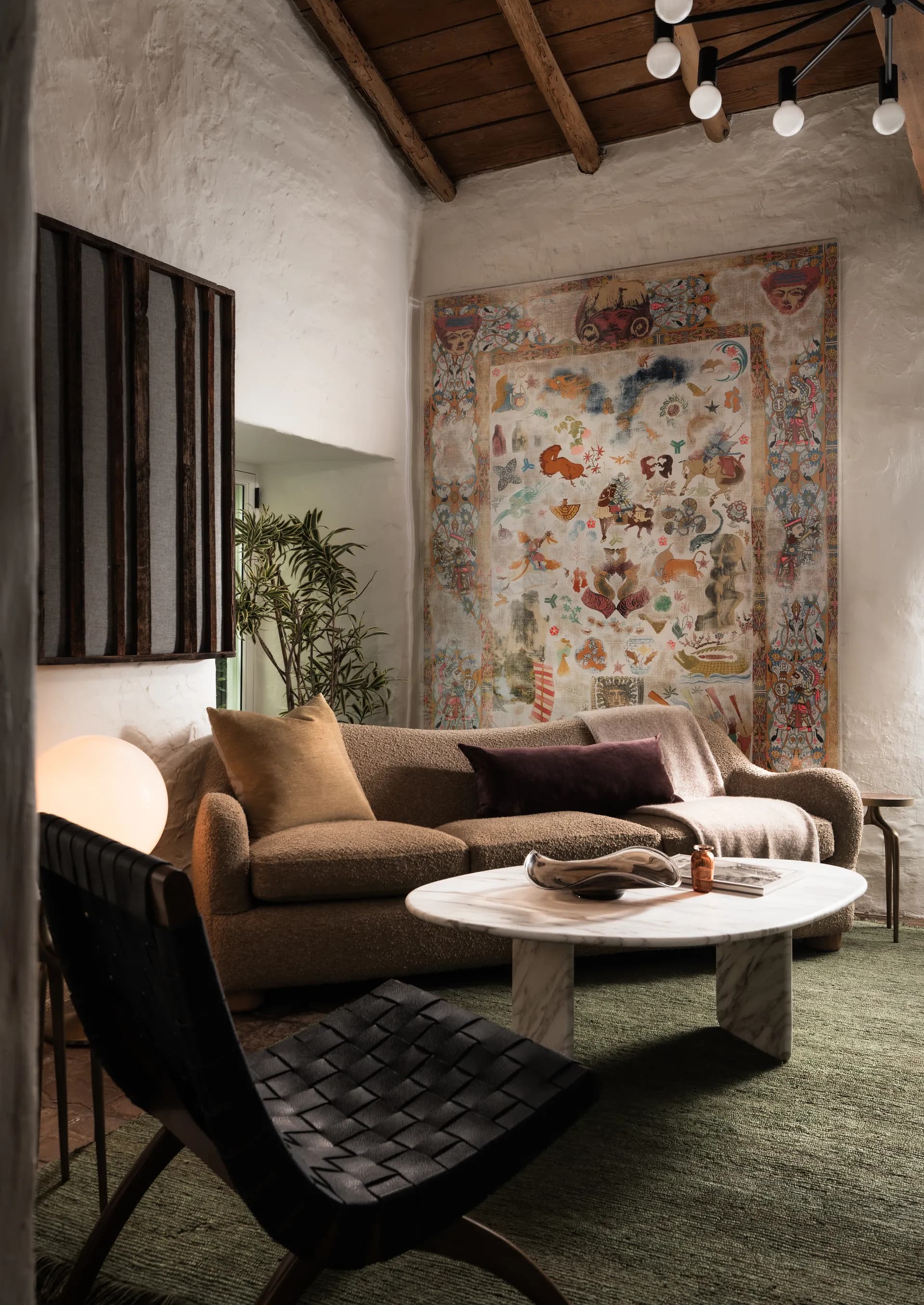
Furniture & Styling
New Construction
Home Renovations
Bespoke Kitchens
Luxury Bathrooms
Custom Cabinetry
Architectural Detailing
Lighting Design
Window Detailing
Furniture & Styling
An interior design project is a network of relationships — firstly between the designer and client, but also between the studio and the architects, contractors, craftspeople, and suppliers who bring the work to life. It typically runs across many months, sometimes years, and covers every decision that shapes a home — from how the rooms relate to one another to which lamp sits beside which chair.
Every project moves through three phases — Discovery, Design, and Execution. The first is the alignment that makes a considered design possible; the second is the design itself; the third is the work that turns a designed scheme into a finished home. Across all three, clients have one point of contact, while the studio manages the complexity.
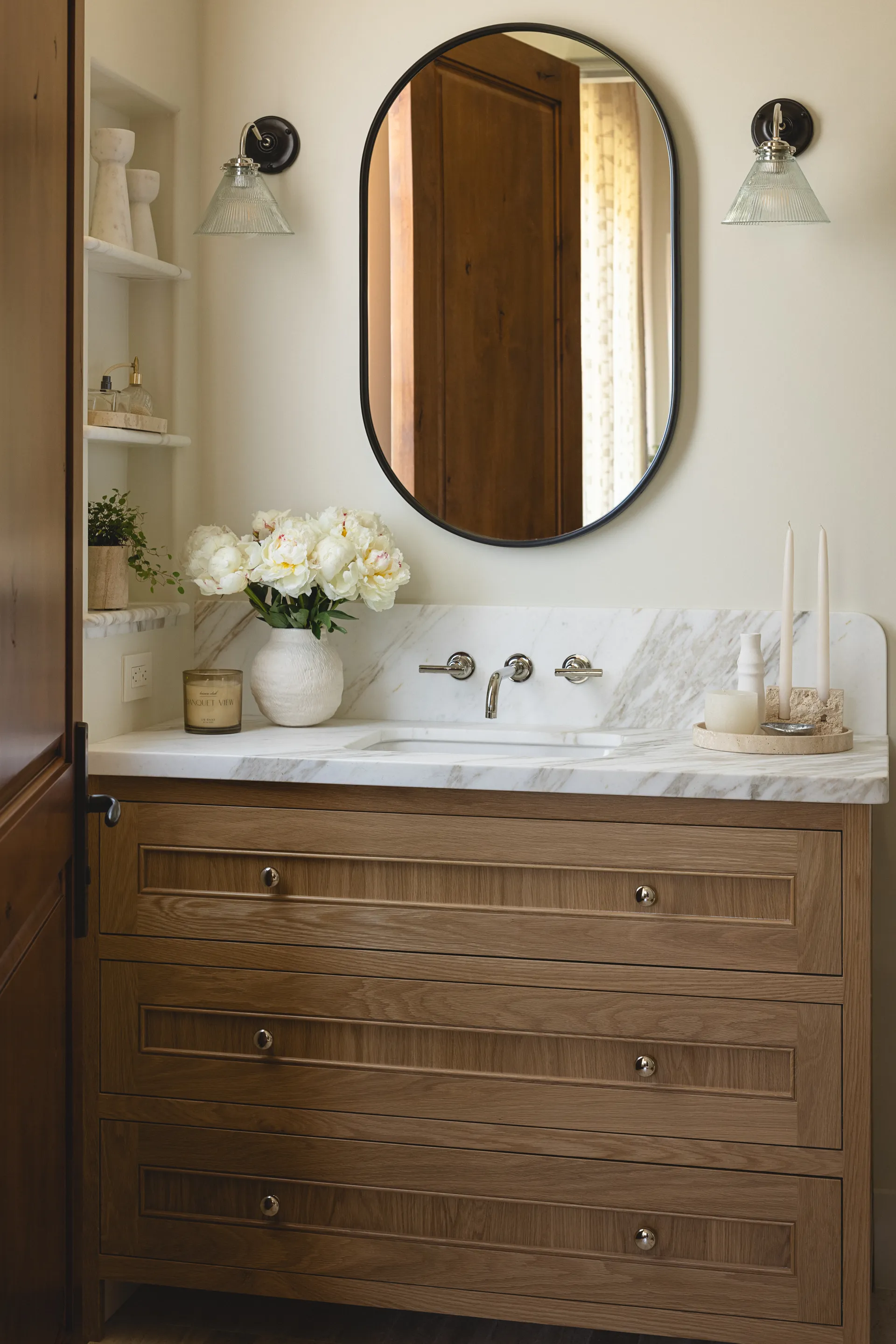
THE PROCESS
01
The conversations that shape the formation of the brief.
02
The brief becomes a complete and considered concept.
03
The work that turns a designed scheme into a finished home.
Every project begins with a conversation. The studio listens — to what the client is hoping to achieve, to the history and condition of the property, to the rough scope and timeline, to the constraints that need to be respected from the outset. The studio speaks with the architect, builder, or other advisors already engaged on the project.
Phase One properly begins with an on-site discovery meeting: detailed measurements, photographs of the existing architecture, notes on what is to be preserved and what needs to evolve. Beyond the practical survey, this is where the studio builds its understanding of the client — how the family lives, where they spend their time, the materials and atmospheres they respond to, the ones they don't. The phase concludes with an agreed brief: not a design, but the alignment that makes a considered design possible.
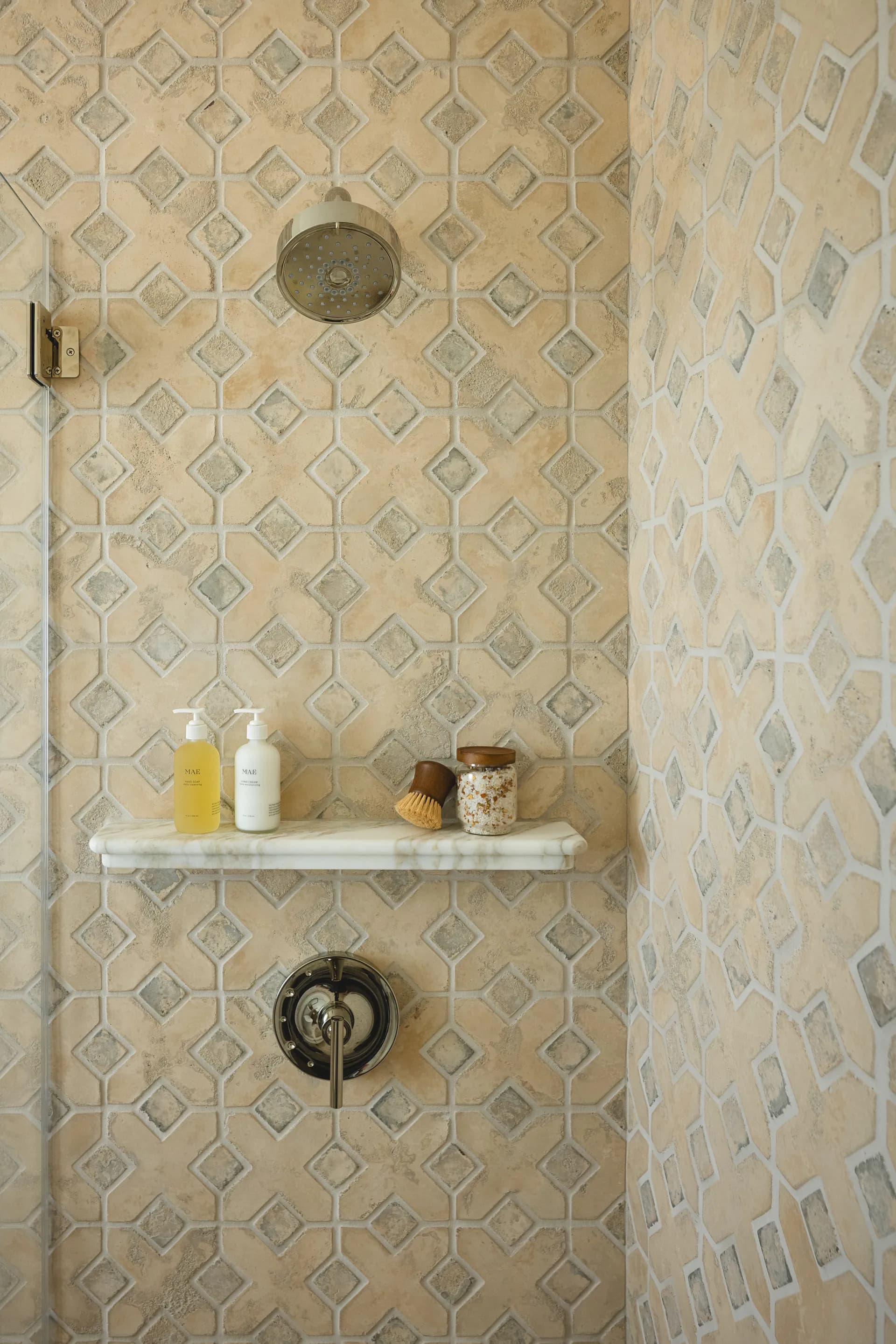
The design phase is where the brief becomes a complete and considered concept. The studio begins with the architecture — floor plans, elevations, and spatial diagrams that test how each room will function and how the rooms relate. Alongside the spatial work, a material direction is developed: stone, hardwood, plaster, metal, tile, paint. Samples are sourced and assembled physically, so the client can see and feel the palette before it is committed to. Joinery, lighting, hardware, and furniture are then drawn and specified to a level that contractors can build from.
When the concept is complete, House Rupert presents it as a coherent package: drawings, renderings, material samples, finish boards, lighting schedules, and furniture specifications. Once the concept is approved in full, the design is locked and the project moves into Phase Three.
Recognition · LUXE Next
House Rupert has been recognized by Luxe Interiors as one of the studios defining interior design.

Phase Three is where the design becomes a finished home, and it is often the part of the process that is underappreciated. Procurement, logistics, contractor coordination, delivery, installation, and final styling determine whether a project arrives on time and on budget. House Rupert manages this phase end to end. Clients have one point of contact while the studio co-ordinates across every supplier, contractor, and craftsperson on the project.
The studio acts as the client's representative throughout the build — attending site meetings and reviewing work against the design intent. Once construction is complete, the studio's installation team places furniture, hangs lighting and artwork, and conducts a final styling pass before the client is welcomed home.