
Ojai
Interior Design
House Rupert recognized by Luxe Interiors as one of the studios defining American interior design in 2026

FULL SERVICE INTERIOR DESIGN
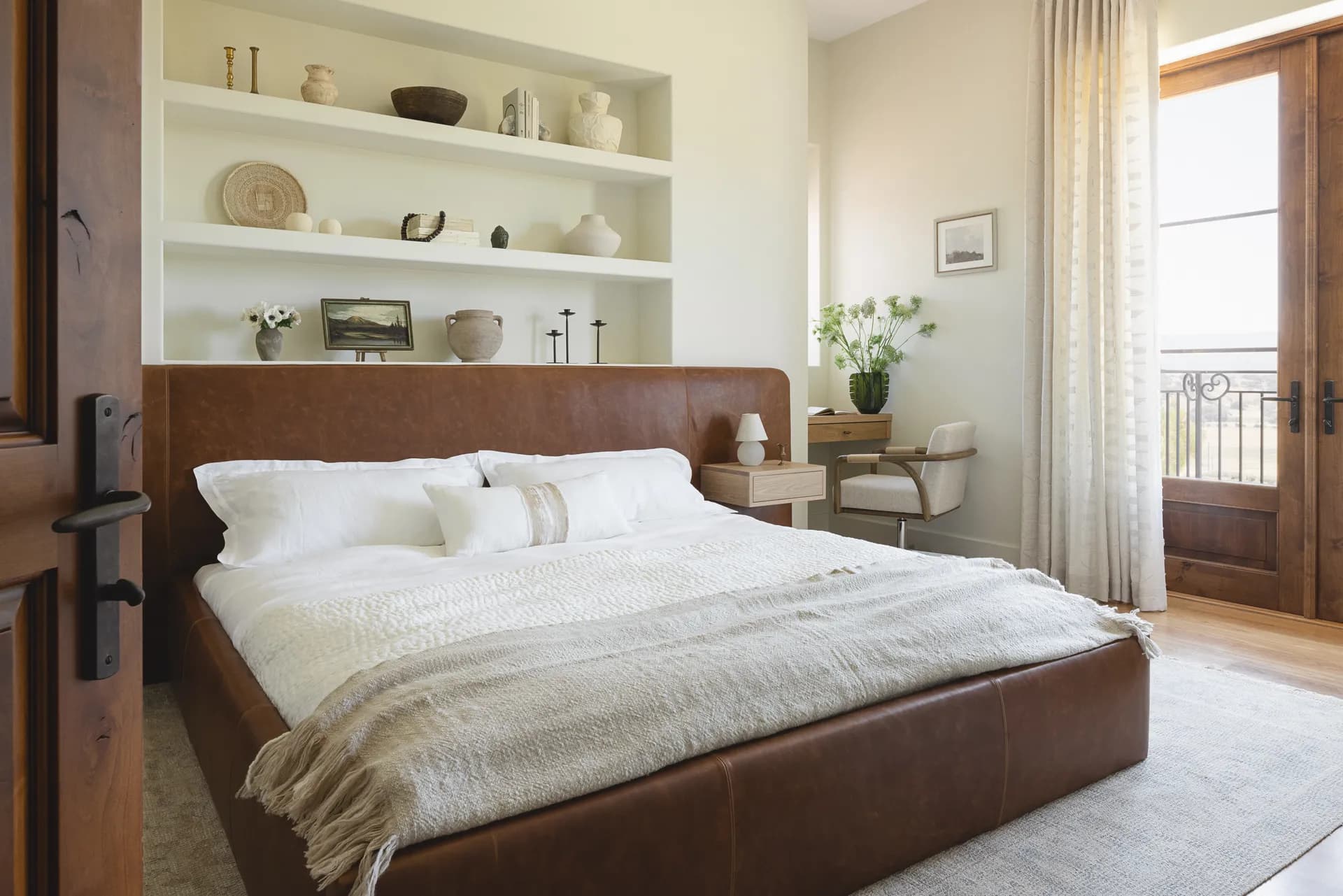
House Rupert is a nationally recognized interior design studio designing private homes in Ojai and across the United States — architecture-led and built for longevity.
OjaiThe valley
Ojai sits in a small east-west valley fifteen miles inland from the Ventura coast — an unusual orientation for California, and one that defines almost everything about the place. The valley faces south, the Topa Topa Mountains rise on its northern edge, and at sunset the range catches the last of the light and turns rose-pink for a few minutes. The Pink Moment is the town's calling card. It is also the single best illustration of why people choose to live here.
The valley is small. Ojai itself is a town of around eight thousand, anchored by a downtown rebuilt in 1917 by Edward Drummond Libbey in the Mission Revival style — a long Spanish arcade, a bell tower, a single main street, and a post office that has not visibly changed in a century. Beyond the town, the valley is groves: citrus, avocado, olive. Pixie tangerines, the variety the valley made famous, ripen here from March through May.
The whole place feels deliberately handmade. Ojai has, since the 1920s, been a town of artists, ceramicists, writers, and craftspeople. Krishnamurti lived here. Beatrice Wood lived here. The craft heritage is not styling — it is an actual through-line of the town's character.
Recognition · LUXE Next
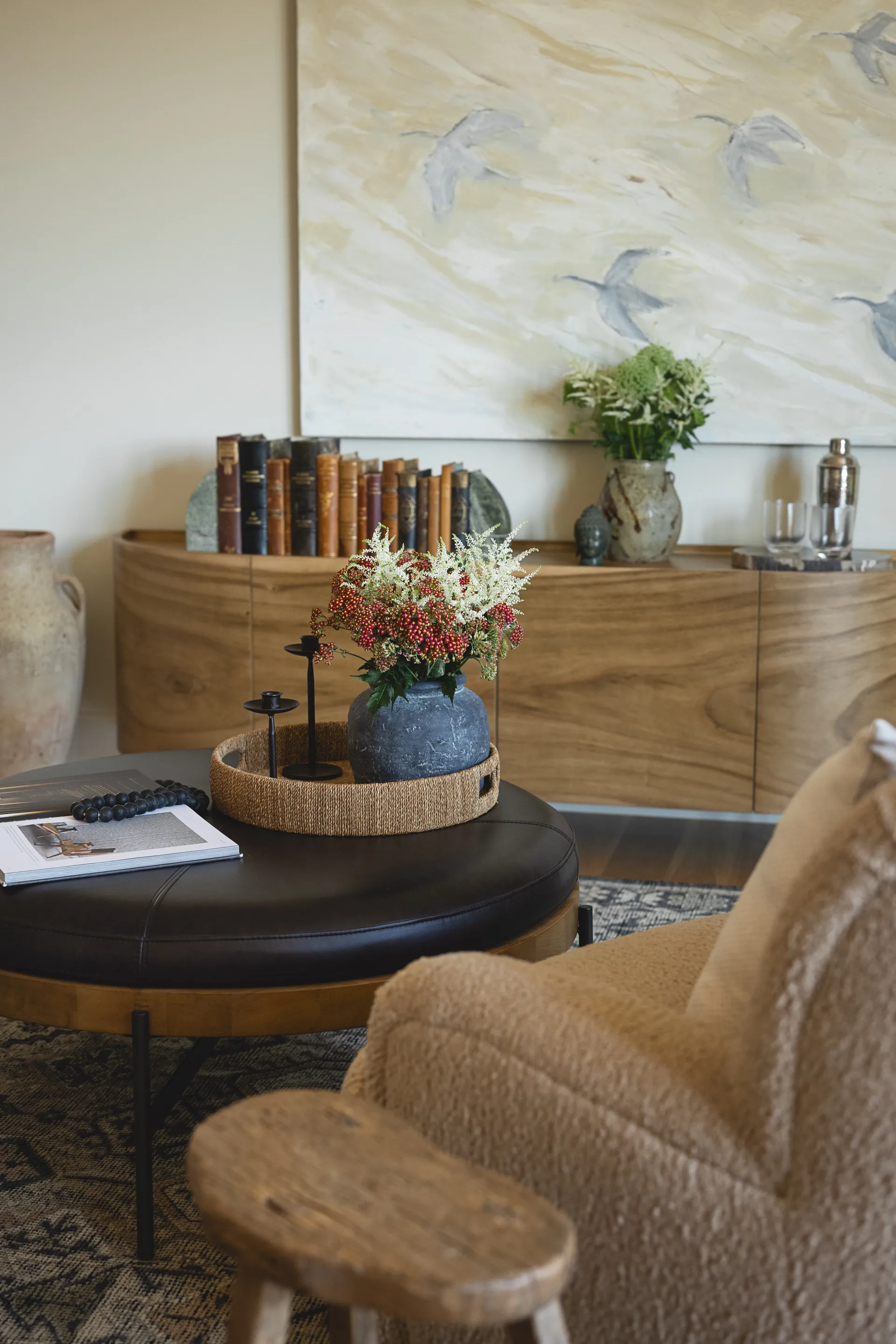
House Rupert has been recognized by Luxe Interiors as one of the studios defining interior design.

ArchitectureMission and ranch
The architectural vocabulary in Ojai is shaped by two traditions. The first is the Mission Revival language of Libbey's downtown — whitewashed stucco, terracotta roof tile, deep arcades, hand-troweled plaster, ironwork — which set the visual register for the town in the 1910s and has remained the dominant idiom in residential building ever since. The second is the working ranch tradition of the valley's groves and back roads, which has produced its own quieter set of buildings: low ranch houses, pole barns, citrus-packing sheds, board-and-batten cabins.
Within those two traditions, the area has accumulated breadth. Restored 1920s adobe-influenced cottages in the East End. Mid-century homes set into the foothills. Contemporary builds that take the agricultural forms of the valley — long sightlines, simple gables, sheltered porches — and render them in modern materials.
What unites them is scale. Ojai homes tend to be smaller than the equivalents inMontecito or Hope Ranch — properties read in single moves rather than long enfilades, and the interior decisions matter accordingly. There is less space for a mistake to hide in.
CraftA local tradition
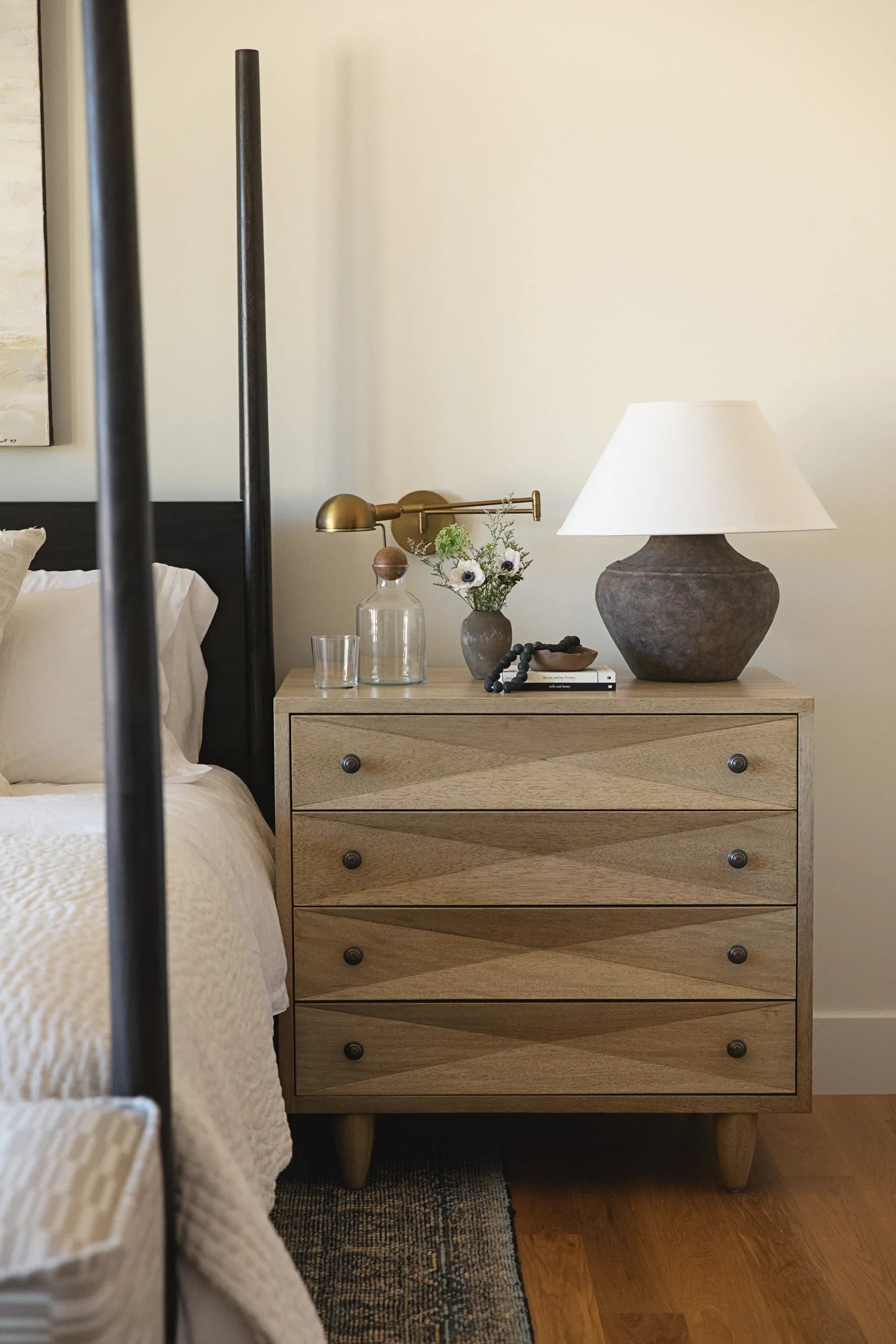
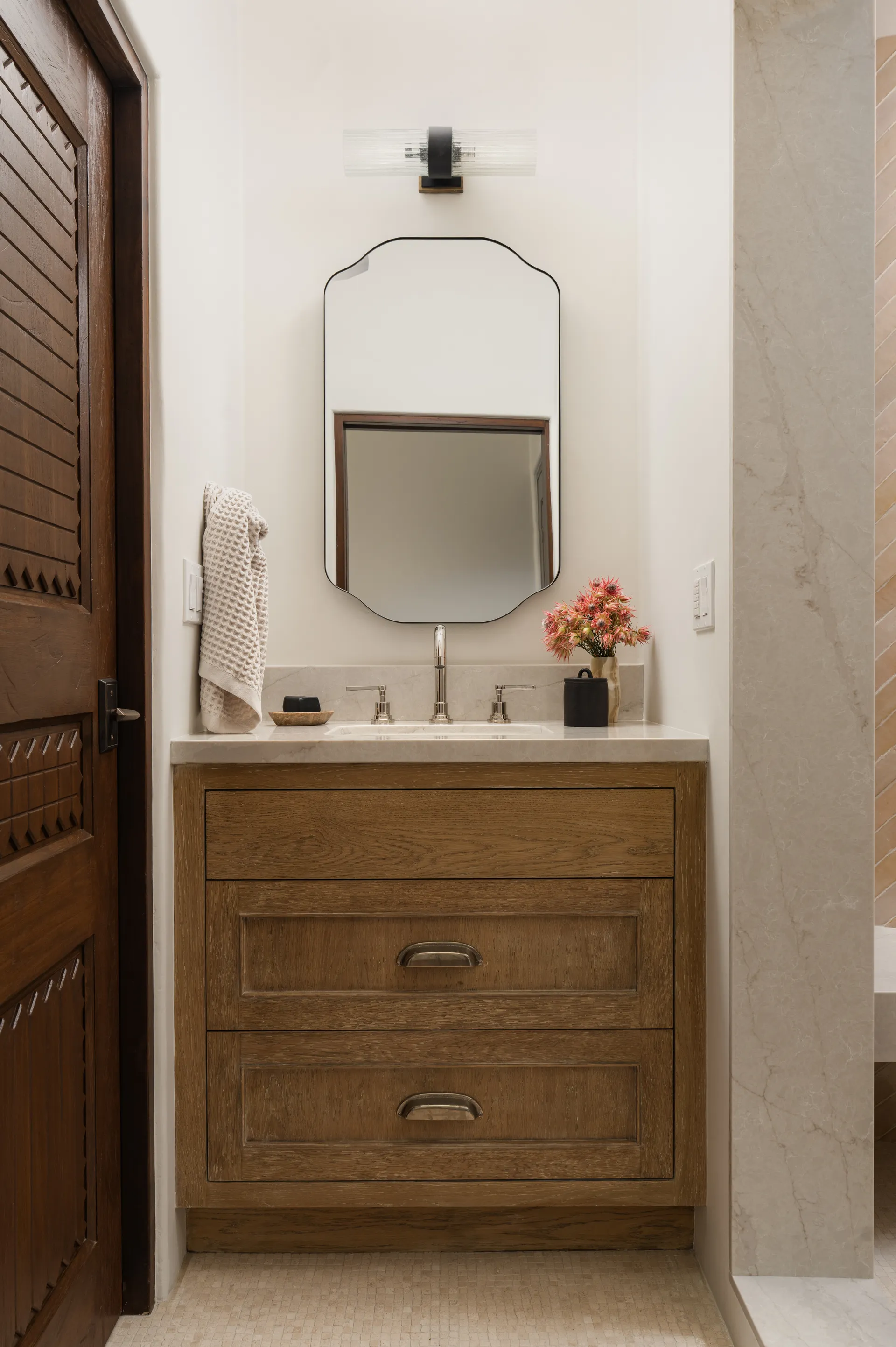
The studio's design approach in Ojai leans into the craft tradition the valley is known for. Locally made tile. Ceramics from valley studios that have been firing here for decades. Hardwood furniture from valley makers. Hand-thrown lamps, hand-woven linens, hand-forged hardware. Where it can be done locally without compromising on quality, it is.
That preference is also a material one. Ojai homes are designed to handle hot dry summers, cool wet winters, dust from the unpaved back roads, and doors that stay open from April through October. Materials chosen for an Ojai property tend to be ones that handle the climate and improve with use — unfinished hardwoods, real stone, lime plaster, solid brass, raw linen. The valley's craft heritage and its climate point to the same set of decisions.
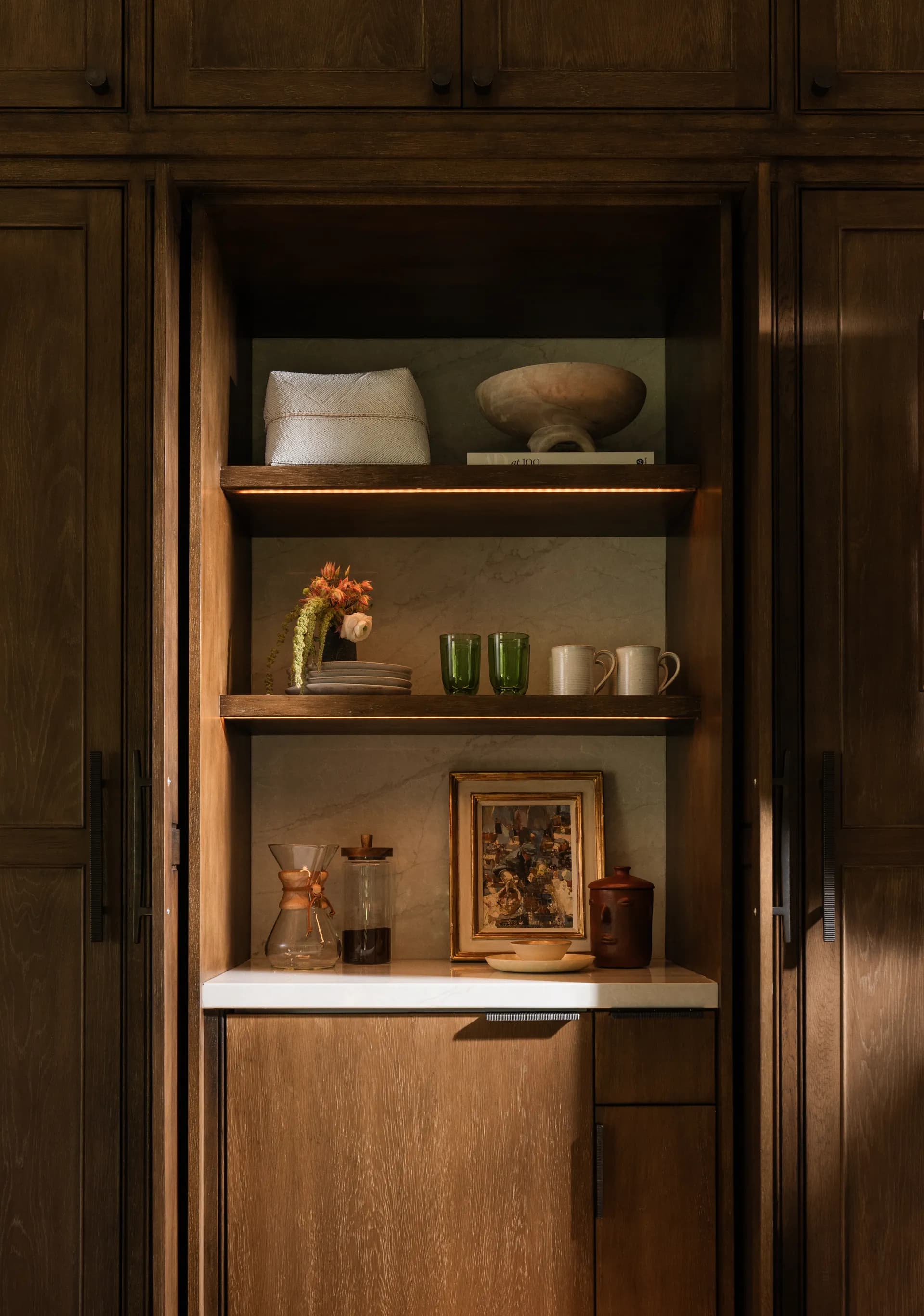
The interiors should feel rooted in the valley rather than imported into it. Considered rather than precious. Built for the way the town actually lives.
Testimonials
The clientsWho find Ojai
Ojai attracts a particular kind of client. Some are arriving from Los Angeles for the quieter pace, the smaller scale, and the genuine community — properties in the East End, in Meiners Oaks, or in the hillsides above the town. Others are longtime valley residents reimagining a home they have lived in for years. A growing number are buying in Ojai as a second or weekend property — a quieter counterpoint to a primary home in the city.
What unites them is rarely budget and rarely project type. It is temperament. Clients who choose Ojai tend to prefer the handmade to the polished, the considered to the impressive. They are buying into a town with a distinct character, and the interiors that work best honour that character rather than overwrite it.
THE PROCESS
01
Discovery
The conversations that shape the formation of the brief.
02
Design
The brief becomes a complete and considered concept.
03
Execution
The work that turns a designed scheme into a finished home.
INQUIRE
If you are considering a project, we would love to hear from you. Share a little about your home and ideas and we will be in touch.